
Pulse Surveys vs Talentfeel Employee Journey: Which Fits?
Pulse surveys: a proximity thermometer for managers. Talentfeel: a strategic read for CHROs. Two scales, one shared goal.
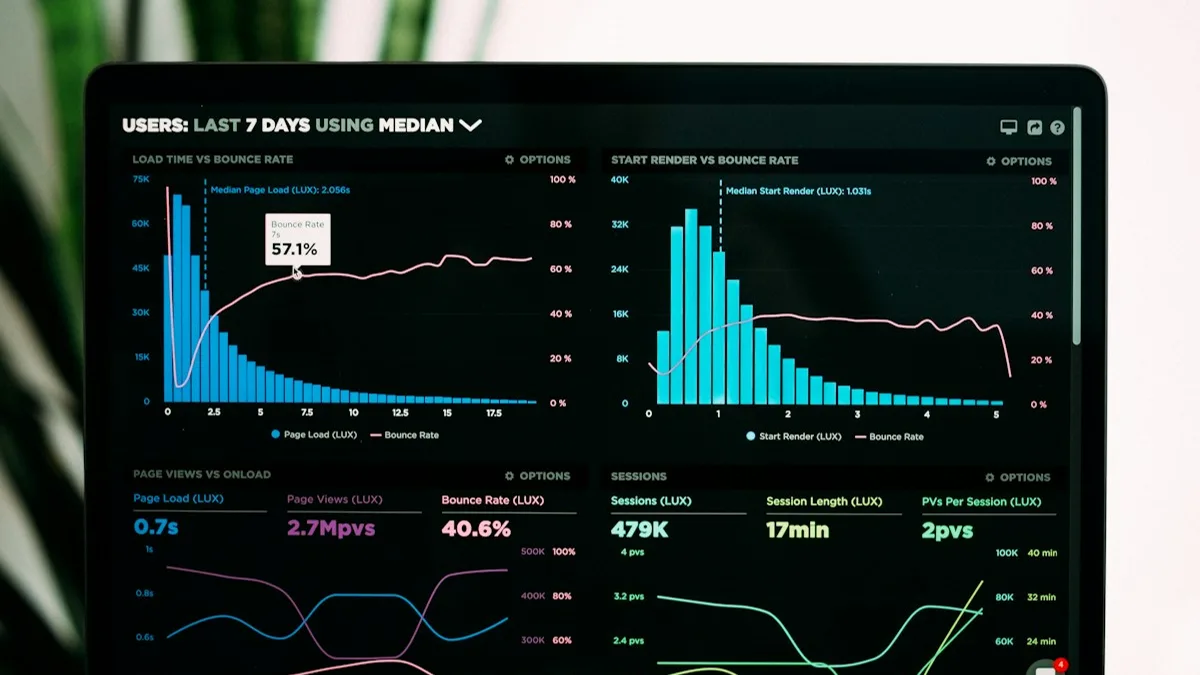
Pulse survey platforms have democratized workplace climate measurement. Officevibe, Leapsome, CultureAmp and Glint give every manager a short, frequent proximity thermometer — a valuable tool for day-to-day team leadership. Talentfeel operates on a different scale: not as a replacement, but as a complement. It provides HR leadership with a structured employee journey measurement, anchored in science and connected to the employer brand, to illuminate structural decisions. Both approaches coexist in the most mature organizations: the pulse for the manager, the journey measurement for HR strategy.
Pulse surveys: a proximity tool for team leadership
Officevibe, Leapsome and their peers share the same DNA: short, weekly or bi-weekly surveys delivered to team managers. Their strength is cadence and simplicity; they enable rapid detection of mood shifts, workload tension or recognition needs. This responsiveness is a real asset for team leadership. However, this very high cadence creates a risk well-documented by science: survey fatigue. Research by Porter, Whitcomb & Weitzer (2004) and Rogelberg & Stanton (2007) shows that beyond a certain frequency, response rates collapse, respondents click on autopilot and the psychometric quality of the data degrades. The main actions triggered by these tools — awareness, 1:1 conversations, manager training — are valuable at the team level, but do not answer HR's strategic questions: why are our top talents leaving? Is our EVP being kept? Is our culture perceived as we think?
Talentfeel: an employee journey model for strategic HR decision-making
Talentfeel operates on a different scale. The Employee Journey module is a structured diagnostic system measured every 3 months — 4 times a year — at the key moments of the talent lifecycle (attraction, onboarding, cultural integration, development, transitions, exit). This cadence is not arbitrary: it aligns with Denise Rousseau's work on the psychological contract, which shows that employer perceptions evolve in stages tied to journey milestones, not week by week. It avoids survey fatigue while capturing the real inflection points. Talentfeel crosses six strategic dimensions: • Organization — Is your organization perceived as an attractive, credible and recognized employer in the market? • Environment — Do talents perceive your work environment as healthy and supportive? • Career — Do talents see themselves on a development and growth path with you? • Culture — Do your culture and leadership inspire trust? • Compensation — Is your total compensation perceived as competitive and fair, with attractive benefits? • Affiliation — Do you generate attachment, long-term projection and lasting buy-in? An engagement index lets HR precisely locate the origin of disengagement. Where the pulse says 'morale is low', Talentfeel says 'culture perception is eroding among tech profiles hired less than 18 months ago, linked to a gap between the EVP promise and lived reality'. Measurement becomes a strategic piloting instrument, not a substitute for the mood barometer.
The scientific foundations of the Talentfeel method
The Talentfeel model is not invented: it stands on five decades of organizational psychology research. Denise Rousseau's psychological contract (1989) explains why the breach of implicit promises — beginning at attraction — weighs more than the manager relationship alone. Bakker & Demerouti's Job Demands-Resources model (2007) distinguishes demands that deplete from resources that engage. Kahn's psychological engagement theory (1990) identifies three conditions — meaningfulness, safety, availability — all measured by Talentfeel. Deci & Ryan's Self-Determination Theory (autonomy, competence, relatedness) structures the Affiliation dimension. Amy Edmondson's psychological safety feeds the Culture dimension. Finally, Heskett's Service-Profit Chain (Harvard Business Review) links employee experience, service quality and economic performance. This scientific base lets Talentfeel go beyond symptoms: it produces causal, longitudinal, benchmarkable indicators usable at the executive committee.
Comparison table: Officevibe, Leapsome and Talentfeel
| Criterion | Officevibe | Leapsome | Talentfeel |
|---|---|---|---|
| Target audience | Team managers | Managers & operational HR | CHRO, executive committee, employer brand |
| Primary purpose | Team climate & awareness | Performance, continuous feedback, OKRs | Strategic HR decisions & EVP alignment |
| Measurement frequency | Weekly/bi-weekly pulses (survey fatigue risk) | Pulses + performance reviews | Every 3 months (4×/year) at key journey moments — no survey fatigue |
| Diagnostic depth | Symptoms (mood, recognition) | Symptoms + individual goals | Root causes: Organization, Environment, Career, Culture, Compensation, Affiliation |
| Main action triggered | Manager awareness & training | Coaching, feedback, development plan | Structural decisions: EVP, culture, experience, attraction |
| Link to external employer brand | Not integrated | Limited | Full external ↔ internal loop |
| Scientific foundations | Pulse / eNPS | OKR & performance management | Psychological contract, JD-R, SDT, psychological safety, Service-Profit Chain |
| HR actionability level | Team (manager) | Operational (performance cycle) | Strategic (measurable executive-committee lever) |
Talentfeel synthesis based on public documentation from Officevibe (Workleap) and Leapsome, 2026 update.
Two tools, two scales, one shared goal: organizational performance
Pulse surveys and Talentfeel are not competitors — they answer two different questions and complement each other. If the question is 'how do I help my managers better lead their team day to day?', a pulse like Officevibe or Leapsome is relevant. If the question is 'how can HR leadership make structural decisions grounded in the real causes of disengagement and guarantee employer brand consistency?', then the Talentfeel model brings the strategic read. The table above makes the distinction visible at a glance. The most mature organizations combine both: a light pulse for managers, and a structured journey measurement to pilot HR strategy. It is this complementarity — not substitution — that turns internal measurement into a true lever of economic performance.
Personalized HR answers, from your context
Try Talia for 30 days on Essential, no credit card.
Free trialSources and references
- →Denise Rousseau – Psychological Contracts in Organizations
- →Bakker & Demerouti – The Job Demands-Resources Model
- →Kahn – Psychological Conditions of Personal Engagement
- →Edmondson – Psychological Safety and Learning Behavior in Work Teams
- →Deci & Ryan – Self-Determination Theory
- →Heskett et al. – The Service-Profit Chain (Harvard Business Review)
- →Gallup – State of the Global Workplace
Recommended articles

AI HR assistants and Quebec Law 25: protecting candidate experience and employees

Anticipating Quiet Quitting 6-12 Months Before Departure

Quiet Quitting in 2026: Understanding the Phenomenon

Loyal but Under-Activated: Employees Who Stay but Check Out